
This post may contain affiliate links or promotional content. We may earn a small commission at no additional cost to you. Information provided for educational purposes only. Please consult experts before making financial or legal decisions.
Consider sponsoring this post to help us share this knowledge with others! Email our team today.
Subscribe to Run The Money on Substack for more insights on financial resilience, audience growth, and building freedom in uncertain times.
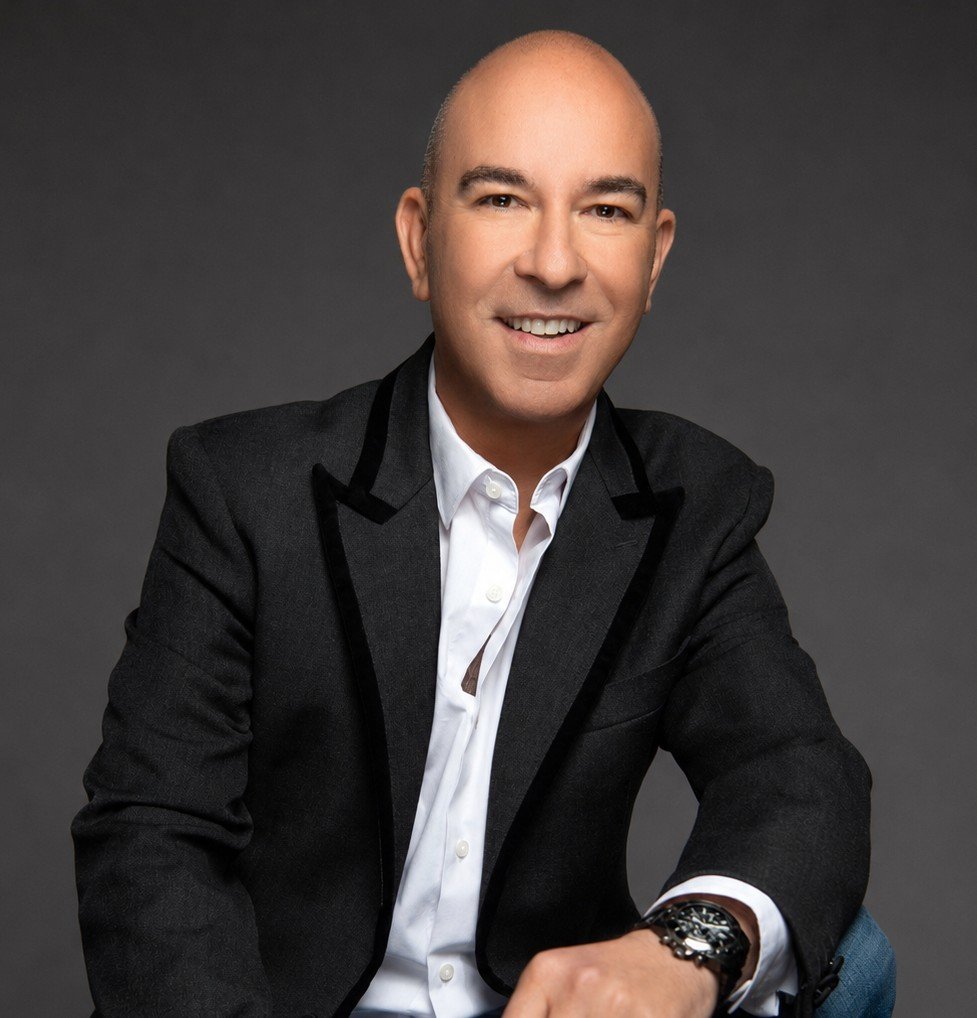
Bruno Schiavi started his first business in his mum’s garage in Sydney with one credit card. He went on to build consumer brands and work with partners including the Kardashians, Heidi Klum and Magic Johnson.
In this interview, Schiavi shares what those experiences taught him about winning customers, protecting household finances, evaluating partnerships and building a business that lasts beyond its launch.
What led you to become an entrepreneur, and what problem did your first business set out to solve?
I never really set out to be an entrepreneur. I just had an idea I couldn’t stop thinking about and nobody was going to hand me a job doing it. So, I started my first business, Anabella, in my mum’s garage in Sydney with one credit card back in 1998, at a time when most people in Australia, didn’t even trust the internet with their card details.
The problem I wanted to solve was simple. Buying lingerie in a store wasn’t always a great experience for women, and I thought there had to be an easier, more private way to shop for it. Selling online felt like the answer, even though plenty of people told me it was too early.
Looking back, that first business taught me everything that came after it. I learned how to source product, how to price it, how to look after customers, and how to keep going when money was tight. Eventually we sold it, and that gave me the confidence to keep building, which led to more than fifteen brands since.
RELATED: Start Before You Feel Ready: 17-Year-Old Founder Bryce Wagner on Turning Ideas Into Action
How did you win your first paying customers? What did those early sales teach you that planning alone could not?
In the beginning it was really just hustle. I didn’t have a marketing budget, so I told everyone I knew, called in favors, got the site in front of a few local magazines, and sent editors free samples. Those first orders came in slowly, and I remember being thrilled every time one landed.
What those early sales taught me was that customers will tell you everything if you pay attention. I thought I knew which products would sell, and I was wrong about half of them. The things I was sure about sat there, and the things I almost didn’t stock flew out the door. No business plan could have told me that. Only real people spending their own money could.
That’s a lesson I’ve carried into every brand since. Plan as much as you like, but get something in front of customers as early as you can, because they’re the ones who’ll show you what the business really is.
For someone building a business while supporting a family, what would you recommend doing before putting savings or credit on the line? Please share a lesson from your own experience.
I started my first business with one credit card, so I understand the temptation to just go for it. But if you’ve got a family relying on you, I’d do a few things first.
Test the idea before you bet on it. Sell a small batch, take pre-orders, or run it on the side for a few months. If people won’t buy a little of it, they won’t buy a lot of it either.
Work out how long you can survive if it takes twice as long and costs twice as much as you think, because it usually does. Know that number before you spend a dollar and decide in advance where your line is.
And keep the family money separate from the business money. Once they start blurring together, every bad month in the business becomes a bad month at home.
The lesson for me was that I spent too much too early, trying too many things at the same time. I put money into the launch before I really knew what customers wanted, and some of it I never got back. If I’d started smaller, tried fewer tactics, and let the sales tell me where to spend, I would have taken a lot less risk and probably grown just as fast.
Showcase your expertise
Have expertise worth sharing? The Interview is Run The Money’s paid written Q&A feature for founders, business owners and industry experts. Share your story and practical insights with our readers. Packages start at $150. Visit The Interview page to learn more.
What is one business mistake that changed how you make decisions? Walk us through what happened, its consequences, and what you do differently now.
Early on I said yes to a deal I should have walked away from. A big retailer offered us a huge first order, but on terms that only worked if everything went perfectly. I was so excited about the size of it that I didn’t push back on the details.
The consequences hit fast. We had to fund the inventory upfront, sales were slower than they promised, and we ended up taking back stock and losing money on the whole thing. It put real pressure on the business, and on me, and it took time to recover.
What it changed was how I make decisions. Now, before I say yes to anything big, I ask myself one question: does this still work if things go badly? If the answer is no, I either renegotiate or I walk away, no matter how good it looks on paper. I’ve walked away from deals since then that would have made great headlines, and I’ve never regretted it.
You started online in your mum’s garage with one credit card, when many customers were wary of buying online. How did you earn their trust, and what did you spend your limited money on first?
Trust was everything back then. People were nervous about typing their card number into a website, so I had to make buying from us feel safe. I put a phone number on every page so people could call a real person, offered an easy returns policy, packaged every order beautifully so it felt like a legitimate brand. When customers had a good experience, they told their friends, and word of mouth did more for us than anything I could have paid for.
With so little money, I was very careful where it went. The first spend was on product and stock / the website / photography. I didn’t spend on fancy offices or big advertising. Every dollar had to either get the product in front of people or make the experience better for the customers we already had.
That discipline stayed with me. Even when I was working with much bigger budgets later on, I always asked the same question: is this helping a customer trust us, or is it just making us look busy?
You’ve worked with partners including the Kardashians, Heidi Klum and Magic Johnson. Can you share an example of how a high-profile partnership helped a brand—and what the business still had to get right for it to succeed?
When I launched the Kardashian Kollection, the Kardashian name opened doors. Buyers at retailers were intrigued and wanted to take the meeting. The media covered it, and customers were curious from day one. That kind of attention is almost impossible to buy.
But the name only gets you the first order. What kept us in more than 30,000 stores was everything behind it. We had to get the pricing right, so it worked for both the customer and the retailer. We had to build a supply chain that could keep up when demand spiked, because empty shelves kill momentum faster than anything. And the product had to be good enough that people came back for a second purchase, not just a first.
That’s the lesson I share with every founder who asks me about celebrity partnerships. A famous name gets you the meeting. It doesn’t get you the reorder. The business underneath has to be strong, because fame just multiplies whatever is already there.
You mentioned building more than 15 consumer brands that together generated over $1 billion in retail sales. What separated the strongest brands from the ones that struggled? Please clarify your role and the time period behind those figures.
To be clear on the numbers, that’s more than $1 billion in retail sales across all of my brands combined.
As for what separated the strongest brands, it was never the size of the name attached. The ones that did best had a real fit between the partner and the product, so customers believed in it. There was a story behind each brand that made it authentic. We had pricing and margins that worked, and we had had a plan for the second and third order, not just the launch.
The brands that struggled usually had the opposite. We put a lot of energy into the launch moment and not enough into what came after. The excitement fades quickly, and if the product, the price and the supply chain aren’t solid by then, the brand fades with it.
You mentioned deals you should have walked away from and times you trusted momentum over common sense. What warning signs do you now look for before agreeing to a partnership? A specific example would help readers recognize them.
These days I look for a few warning signs before I agree to anything.
The first is pressure to decide fast. If someone needs an answer by Friday and won’t give you time to check the numbers, that urgency usually benefits them, not you.
The second is a deal that only works if everything goes perfectly. I always ask what happens if sales come in at half the forecast. If the answer is that I’m the one carrying all the risk, that’s a red flag.
The third is a partner who’s excited about the launch but vague about what happens after it. If they’re not committed to year two, the brand won’t make it to year three.
And the last is when the partner and the product don’t really fit. Customers can tell when a name has just been put on something, and they don’t come back.
Now if I see even two of those signs, I slow everything down. Good deals survive a few extra questions. Bad ones usually don’t.
You’ve experienced three exits. What did those experiences teach you about the difference between impressive sales figures, a valuable business, and personal financial security? Share only the details you’re comfortable making public.
Selling three businesses taught me that those three things are very different, and most founders mix them up.
Big sales figures look great in a headline, but they don’t make a business valuable on their own. I’ve seen brands with huge sales that were worth very little, because the margins were thin, the customers didn’t come back, or everything depended on one person or one retailer. When a buyer looks at your business, they’re not asking how much you sold. They’re asking how much of it will keep coming in after the deal is done.
The businesses that were worth the most had clean numbers, loyal repeat customers, strong retail partners and a team that could run things without me in every meeting. That’s what a buyer pays for.
You said that at the hardest points, what you wanted most wasn’t more money—it was someone to call. Can you describe one of those moments and how it shapes the way you guide founders today?
There’s one moment I always come back to. We’d just had a huge launch, and a few weeks later the reorders weren’t coming in the way we’d expected. I had stock sitting in a warehouse, bills due, and a decision to make about whether to cut prices or hold. I remember sitting there late at night thinking, I just need someone who’s been through this to tell me what they’d do.
I didn’t have that person, so I made the call on my own. I got through it, but it cost me more than it needed to, and I learned the lesson the hard way. Founders now have endless resources that can guide them, give them ideas on next steps and help with difficult crossroad decisions.
That’s exactly why I guide founders the way I do now. I’m not there to give them a textbook answer. I’m there to be the person I wish I’d had: someone who’s sat in that chair, who’s made those mistakes, and who can tell them honestly what I’d do. Sometimes the most valuable thing I can say is, “I’ve been here, and here’s what I’d watch out for.”
If a reader has a business idea, limited funds and no influential connections, what three concrete steps would you suggest taking in the next 30 days? How should they judge whether the idea is worth pursuing?
First, talk to at least twenty people who might actually buy it. Not your family and not your friends, because they’ll be too kind. Find strangers who have the problem you’re solving and ask them how they deal with it now and what they’d pay for something better. You’ll learn more in those conversations than in a month of planning.
Second, try to sell it before you build too much of it. Make a small batch, take pre-orders, or put up a simple page and see if people will pay. Even a handful of real sales tells you more than any business plan.
Third, work out your numbers on one page. What does it cost to make, what will you charge, and what’s left over once you’ve paid for shipping, packaging and marketing? If there’s no money left at a small scale, growing bigger usually won’t fix it.
To judge whether the idea is worth pursuing, I’d ask three questions. Will a stranger pay for it? Would they buy it again or tell a friend? And can you make a profit doing it? If the answer to all three is yes, keep going. If it’s no, that’s not failure. It’s the cheapest lesson you’ll ever get, and it frees you up for the next idea.
What are you focused on now, and how would you like your work to help people? Where can readers learn more or connect with you?
Right now I’m focused on helping founders build brands that last. After 25 years and more than fifteen brands, I’ve moved from running companies myself to sitting alongside the people who are building them. I work with founders on the big decisions: getting into major retail, structuring celebrity and influencer partnerships, growing online and taking a brand into new countries.
What I’d love my work to do is save people from the mistakes I made. So many of my lessons came the expensive way, and I didn’t have anyone to call when I needed advice most. If I can be that person for someone else and help them make a better decision at a moment that really matters, that means more to me than any headline.
Readers can book a one-on-one session with me on Intro at intro.co/brunoschiavi, and I’d love for people to connect with me on LinkedIn.
More about Bruno Schiavi
Founder – Entrepreneur – Brand Strategy Expert & Global Retail Growth Architect – Consultant & Strategic Advisor
I’ve built and scaled 15+ brands, generating more than $1 billion in retail sales and achieving three exits. I help founders turn promising products into brands that retailers want to stock and customers come back to buy. Over the last 25 years, I built brands with names including the Kardashians, Heidi Klum, Magic Johnson, Jane Fonda, Janet Jackson, Priscilla Presley and the Missoni family. I built the Kardashian Kollection from an idea to 30,000+ stores across 8+ countries and seven product categories.
My hemp skincare brand, Uncle Bud’s, grew 6x, expanded across six categories and was acquired. That experience taught me something I bring to every founder conversation: a famous name or a great product can get you the meeting. It doesn’t get you the reorder. That takes the right positioning, pricing, margins, supply chain and retail execution. Whether you’re developing your first product or growing an established business, I’ll help you work through the questions and decisions you are facing. Straight answers, commercial perspective and lessons from 25 years of building brands.
- Let’s Chat – Book a 1:1 with me – https://intro.co/brunoschiavi?source=intro
- LinkedIn: https://www.linkedin.com/in/bruno-schiavi-b2858025/
Some content on this site is contributed by partners or external sources. All submissions are reviewed for quality.
0 responses to “Bruno Schiavi on Building a Business Without Betting Everything”