

This post may contain affiliate links or promotional content. We may earn a small commission at no additional cost to you. Information provided for educational purposes only. Please consult experts before making financial or legal decisions.
Consider sponsoring this post to help us share this knowledge with others! Email our team today.
Subscribe to Run The Money on Substack for more insights on financial resilience, audience growth, and building freedom in uncertain times.
Physical burnout is a phrase people sometimes use for feeling physically worn down by work. For freelancers and solo business owners, long desk sessions, persistent discomfort and limited recovery time can make everyday tasks harder.
Desk-related pain and occupational burnout are not interchangeable. Burnout involves unmanaged chronic workplace stress, while aches, numbness or weakness may have other causes that deserve medical attention.
These four practical habits focus on recognizing work patterns, improving your workspace, protecting recovery time and building a schedule your business can sustain.
1. Recognize Physical Burnout and the Cost of Working in Pain
Pain carries direct costs such as appointments and missed work, but the less visible expenses can be just as damaging. The hidden cost of office work may include fatigue, reduced focus, and discomfort caused by long periods at a desk. A task that usually takes 45 minutes can stretch past an hour when you keep stopping to adjust your posture or rest an aching hand.
Track discomfort alongside your working hours for two weeks. Note the task, pain level, and time of day. This record can reveal that video editing triggers neck tension or bookkeeping causes wrist soreness.
Some adults explore CBD and THC products for pain management as part of their personal comfort routine. Discuss these products with a qualified health professional first, especially if you take medication, have an underlying condition, or need to avoid impairment while working.
2. Reduce Repetitive Strain at Your Desk
Repetitive strain often develops gradually. Typing, clicking, and holding a phone can irritate muscles and tendons when the same movements continue for hours without recovery. Early signs may include tingling, stiffness, a weaker grip, or discomfort that remains after the workday ends.
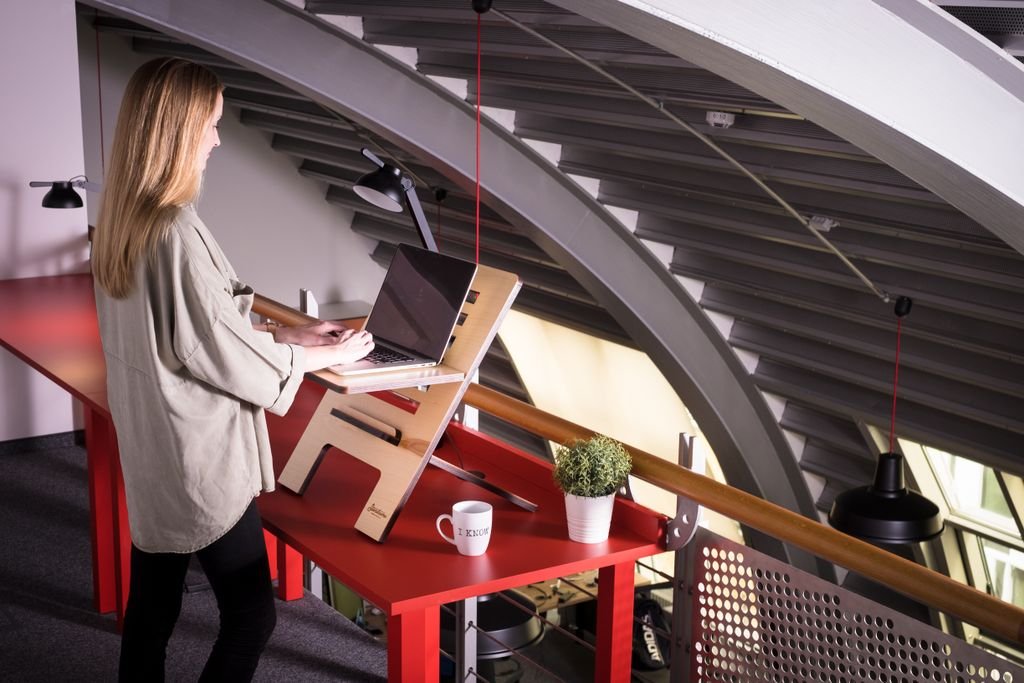
Start with your equipment placement. Keep the mouse close to your keyboard, position the top of the screen at or slightly below eye level, and let your forearms rest roughly parallel to the floor. A laptop stand paired with a separate keyboard can reduce the need to bend your neck during long sessions.
Schedule brief movement breaks before discomfort appears. For example, try standing up, relaxing your hands, and walking briefly between focused work sessions. Adjust the timing to your tasks and comfort. Persistent pain, numbness, or weakness calls for medical assessment. Early attention may prevent a manageable irritation from becoming a larger interruption.
3. Build Daily Routines That Support Recovery
A useful daily routine should support your body without consuming the hours you need for clients. Begin the day with five minutes of gentle movement, then alternate seated and standing work when practical. Keep water nearby and protect a real lunch break instead of eating over your keyboard.
Sleep also affects pain tolerance, mood, and decision-making. Use a consistent bedtime, reduce late-night screen exposure, and avoid treating midnight work as a normal solution to an overloaded schedule. The cost of employee burnout applies to solo operators too, even when there is no manager tracking sick days.
Comfort products and stretching may provide support, but they shouldn’t conceal worsening symptoms. A clinician, physical therapist, or occupational therapist can help identify movement patterns and workspace problems that generic advice may miss.
4. Create Sustainable Habits for Long-Term Business Growth
Build physical care into business operations instead of leaving it for quieter weeks. Add short breaks to your calendar, set a firm daily stopping time, and price projects according to the hours they truly require. If every deadline demands late nights, the underlying problem may be workload or pricing rather than personal discipline.
Review your schedule once a month. Look for tasks you can automate, outsource, or group into focused blocks. This operational view fits what business growth looks like behind the scenes, where stronger systems often matter more than nonstop effort.
Pay attention to recovery as well as output. A sustainable week leaves enough physical and mental capacity to handle an unexpected revision or family responsibility. Your business is more resilient when its only operator can finish the day without carrying preventable pain into tomorrow.
Some content on this site is contributed by partners or external sources. All submissions are reviewed for quality.
0 responses to “Physical Burnout: 4 Smart Habits for Solo Business Owners”