
This post may contain affiliate links or promotional content. We may earn a small commission at no additional cost to you. Information provided for educational purposes only. Please consult experts before making financial or legal decisions.
Consider sponsoring this post to help us share this knowledge with others! Email our team today.
Subscribe to Run The Money on Substack for more insights on financial resilience, audience growth, and building freedom in uncertain times.
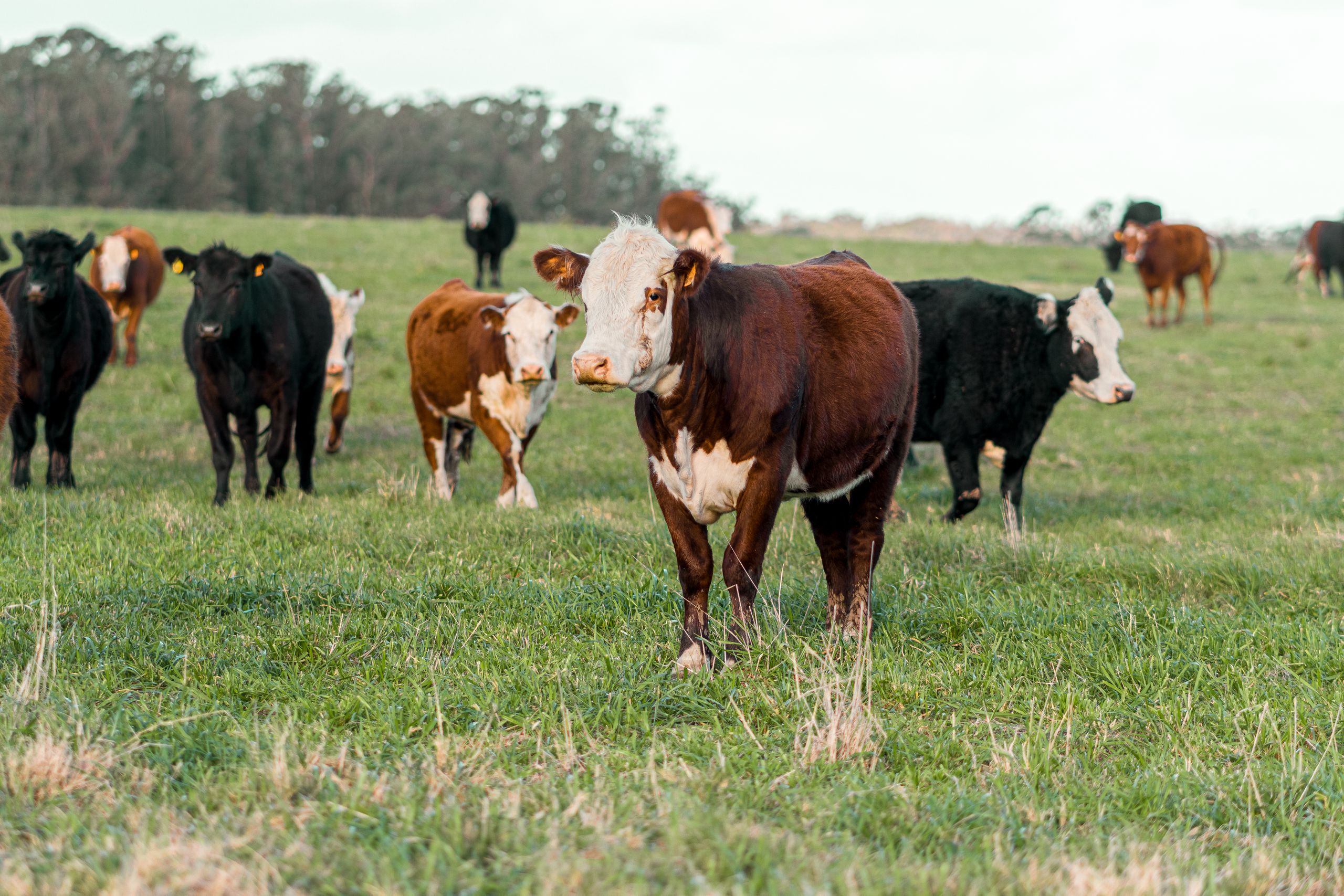
Global beef trade is shaped by a combination of biological realities, evolving consumer demand, and increasingly interconnected supply chains. While trade patterns may appear relatively predictable from year to year, the factors influencing those markets are constantly changing. For producers, processors, and exporters, understanding these underlying dynamics is essential to maintaining market access and long-term competitiveness.
Unlike many agricultural commodities, beef production operates on extended timelines. Expanding a herd requires significant planning and investment, and the effects of those decisions may not be realized for several years. This limits the industry’s ability to respond quickly when market conditions shift. As a result, buyers often prioritize suppliers that can consistently deliver quality products, dependable volumes, and reliable service rather than those with production capacity alone.
Demand trends continue to influence where and how beef moves around the world. Population growth, urbanization, rising incomes, and changing dietary preferences all contribute to shifting consumption patterns. In regions where domestic production cannot keep pace with demand, imports become increasingly important. These developments place greater emphasis on supply chain reliability, processing standards, and regulatory compatibility between trading partners. Markets that can adapt to changing consumer expectations while maintaining consistent supply are often better positioned to sustain long-term relationships.
The complexity of global beef trade extends beyond production and consumption. Modern supply chains require coordination across transportation networks, regulatory frameworks, currencies, and storage systems. Products may spend considerable time moving through international channels, increasing exposure to delays, market volatility, and working capital demands. In this environment, strong financial support can be just as important as physical infrastructure.
Planning and visibility throughout the value chain have become increasingly valuable. Decisions related to production, sourcing, processing, and market distribution are frequently made months in advance, leaving limited flexibility when unexpected disruptions occur. Businesses that invest in forecasting, communication, and operational coordination are often better equipped to maintain continuity and respond effectively to changing conditions.
Agricultural financial strategy also plays a central role in supporting stability across the industry. Producers rely on access to capital to manage herd development, input costs, and long-term investments. Processors and exporters require financial flexibility to support compliance requirements, inventory management, and international expansion. Effective risk management helps organizations navigate uncertainty while continuing to pursue growth opportunities.
As global markets continue to evolve, success in the beef sector depends on more than production capacity alone. Long-term performance requires a balanced approach that connects operational efficiency, market access, supply chain coordination, and financial resilience. Organizations that focus on building strength across each of these areas are often better positioned to navigate volatility, maintain customer relationships, and compete successfully through changing market cycles.
For additional perspective on how these forces interact across the global beef system, explore the insights highlighted in the accompanying visual overview.

Some content on this site is contributed by partners or external sources. All submissions are reviewed for quality.
0 responses to “Navigating Complexity in the Global Beef Trade”