

This post may contain affiliate links or promotional content. We may earn a small commission at no additional cost to you. Information provided for educational purposes only. Please consult experts before making financial or legal decisions.
Consider sponsoring this post to help us share this knowledge with others! Email our team today.
Subscribe to Run The Money on Substack for more insights on financial resilience, audience growth, and building freedom in uncertain times.
The Core Components of a Modern Digital Business Strategy
 The digital landscape is constantly changing. To succeed today, businesses need a strong online presence. We are in a dynamic global digital business ecosystem where growth is key.
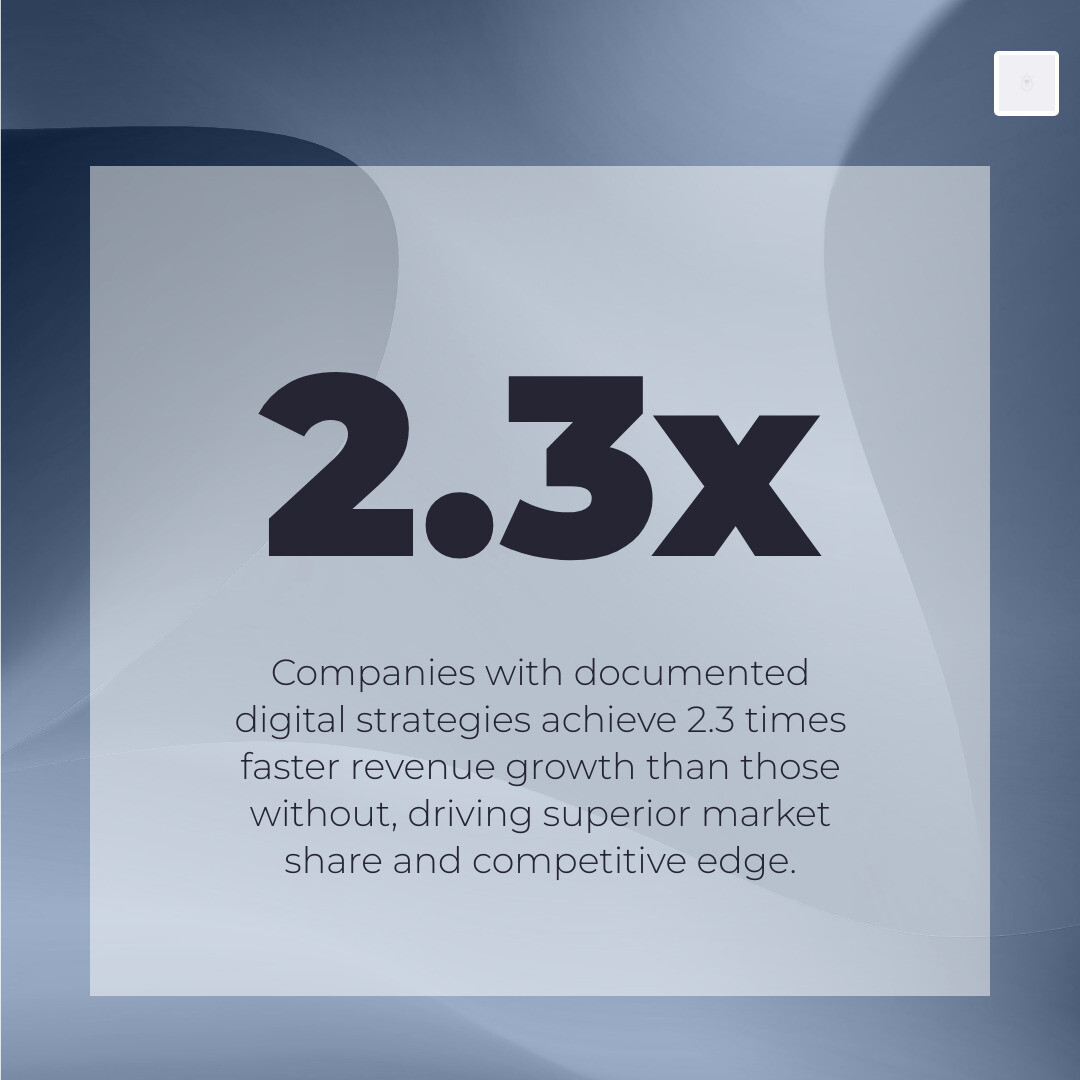
Companies with clear digital plans grow revenue 2.3 times faster than those without. A digital-first mindset helps businesses capture three times more market share. This shows how vital a solid strategy is for competitive differentiation.
This guide will explore the foundations of digital business growth. We will examine core components and key models. We will also see how technological innovation and global connectivity drive business transformation. To truly optimize digital business growth, we must look beyond basic online presence. We will cover essential IT, web design, and marketing strategies to achieve significant scalability and success.
A successful digital business strategy is far more than just having an online presence; it’s a holistic approach that integrates technology, data, and customer understanding into every facet of operations. At its heart is customer-centricity, ensuring that every digital initiative is designed with the user’s needs and journey in mind. This approach helps businesses build stronger relationships and deliver more relevant experiences.
Central to this is a robust technology stack, which encompasses all the software, platforms, and tools a business uses to operate digitally. This often involves a cloud-first approach, as nearly 85% of enterprises now adopt cloud strategies, with budgets for cloud services rising 40% annually. This shift enables greater flexibility, scalability, and cost efficiency.
Data-driven decisions are non-negotiable. Organizations with data-driven frameworks see a 15-20% improvement in operational efficiency. This means leveraging analytics to inform everything from product development to marketing campaigns. Coupled with this, revenue model innovation involves continuously exploring new ways to monetize digital offerings, whether through subscriptions, freemium models, or platform fees.
It’s crucial to understand the distinction between “digital business” and “digital transformation.” While often used interchangeably, digital business is a newer paradigm focused on continuous innovation and outcome-driven sprints, contrasting with the often slower, broader “big-bang” approach of digital transformation.
Feature Digital Business Digital Transformation Focus Continuous innovation, specific outcomes Broad overhaul of processes and technology Pace Agile, short sprints, real-time intelligence Often slower, large-scale projects Approach Simplification, leveraging existing assets Major technology implementations, potential disruption Goal Sustainable growth, new value chains Modernization, efficiency improvements Risk Profile Lower, iterative adjustments Higher, due to large-scale changes Effective operational efficiency is also paramount, driven by a commitment to C-Suite engagement. Business and IT leaders, with full executive-suite involvement, must build digital-first strategies that accelerate time-to-value, drive sustainable growth, and strengthen industry ecosystems. This requires adopting agile frameworks that allow for rapid iteration and adaptation.
Beyond internal operations, digital strategy also involves value chain optimization and understanding the ubiquity of the digital. This means recognizing how connections, sensors, and the Internet of Things (IoT) are revolutionizing business, enabling new forms of interaction and service delivery. For a deeper dive into how cloud and data infrastructure drive growth, explore reports like Advancing Cloud and Data Infrastructure Markets. These insights are vital for building a robust digital strategy, as outlined in frameworks like the Digital Transformation Strategy Framework: 10 Key Steps.
The Role of Data in Sustaining Digital Business Growth
Data is the lifeblood of any modern digital enterprise. Harnessing real-time intelligence and predictive modeling allows businesses to anticipate market shifts, personalize customer experiences, and optimize operations. Companies with customer-centric digital strategies experience 3x higher customer lifetime value, underscoring the direct link between data utilization and long-term profitability.
Effective data governance is critical, especially when dealing with sensitive information. This includes robust cybersecurity measures to protect against threats, as discussed in publications like Cybersecurity Economics for Emerging Markets. Ensuring privacy compliance is not just a legal requirement but a cornerstone of customer trust. The goal is to transform raw data into actionable insights that inform a clear decision architecture, guiding strategic choices and tactical adjustments. Understanding how IDC guides businesses in leveraging data for growth can be found by exploring IDC – Digital Business – Digital Enterprise.
Strategic Resource Reallocation
In a rapidly evolving digital landscape, the ability to dynamically reallocate resources is a significant competitive advantage. This involves fluid capital mobility and a focus on building talent density in critical digital areas. The pandemic, for instance, forced many companies to rapidly shift capital and talent towards digital initiatives, a trend unlikely to return to pre-crisis norms.
Adopting agile stage-gating for investments ensures that resources are committed incrementally, based on validated outcomes, rather than large, upfront outlays. Strategic digital M&A (Mergers & Acquisitions) can also play a crucial role, particularly the acquisition of “unicorns” – high-growth, innovative digital companies. This approach can provide the critical mass for cultural shifts, talent retention, and integrated tech infrastructure, as detailed in strategic guides such as Strategy Beyond the Hockey Stick: People, Probabilities, and Big Moves to Beat the Odds. This dynamic budgeting and resource allocation is essential for maintaining agility and seizing new opportunities in the digital realm.
High-Scalability Models: From E-commerce to Ecosystem Orchestrators
The digital economy thrives on models that can scale rapidly and efficiently, often leveraging network effects to achieve exponential growth.
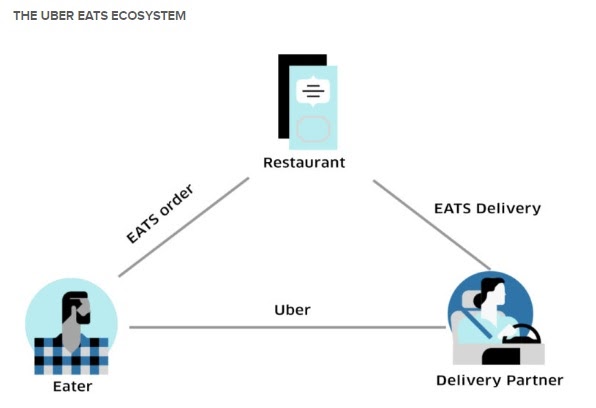
- Direct-to-Consumer (D2C) E-commerce: Brands like Gymshark, Freshly Cosmetics, and Pompeii Brand exemplify how selling directly to customers through digital channels, without intermediaries, can lead to global scaling. This model offers greater control over brand experience and customer data.
- Subscription Models: Companies like HelloFresh and Lookiero generate recurring revenue by delivering products or services regularly, fostering customer loyalty and predictable income streams.
- Software as a Service (SaaS): Platforms like Shopify have democratized online sales, allowing millions of entrepreneurs to create and manage digital stores from a single, scalable solution.
- Freemium Apps: Services such as Notion, Calm, and Duolingo offer basic functionality for free, converting users to paid subscriptions for advanced features, exclusive content, or an ad-free experience.
- Marketplaces & Platforms: Fiverr and Upwork connect freelancers with clients globally, while Patreon enables content creators to fund their projects through direct subscriptions from followers. These models thrive on network effects, where the platform’s value increases with each new user, driving exponential growth. The rise of online gig work, facilitated by these platforms, is further explored in Working Without Borders: The Promise and Peril of Online Gig Work.
The evolution of these models is significant. MIT CISR researchers identified four digital business models in 2013, and by 2025, Ecosystem Driver models—which integrate various services into a seamless customer experience—grew from 12% to 58% of businesses, consistently outperforming others in revenue growth.
Emerging Technologies and Market Creation
The rapid pace of technological innovation is not just about optimizing existing business models but also about creating entirely new markets.
- Artificial Intelligence (AI): Generative AI, exemplified by tools like Midjourney for digital art and Perplexity AI for conversational search, is transforming customer service, content creation, and education. Early AI adopters in digital strategy capture a 35% growth advantage in market share. A recent research brief by MIT CISR, led by Gayan Benedict, highlights how AI is reshaping business models, with autonomous agents taking on increasingly complex tasks. The global diffusion of generative AI is rapid, with middle-income economies contributing over 50% of global traffic by March 2024, as detailed in “Who on Earth is Using Generative AI?”
- Blockchain & NFTs: Platforms like OpenSea facilitate the purchase and sale of NFTs (Non-Fungible Tokens) on the blockchain, opening new avenues for digital ownership and commerce in art, gaming, and virtual assets.
- Fintech: Companies such as Revolut leverage emerging technologies, including open banking, AI for personalization, and blockchain, to enable faster, cheaper international transfers, revolutionizing traditional banking services.
- Internet of Things (IoT): Beyond smart home devices, IoT is transforming industries. John Deere, for example, now differentiates its machinery through an IoT ecosystem that provides digital services to customers, effectively turning its equipment into “computers on wheels.”
These technologies are not just tools; they are foundational elements for creating unprecedented value and competitive advantage in the digital age.
Leveraging Technology and Infrastructure to Streamline Digital Business Growth
A robust IT infrastructure is the backbone of any successful digital business. It ensures reliability, security, and scalability.
Prioritizing cybersecurity resilience is paramount, especially as digital operations expand. This involves implementing strong security protocols and having incident response teams ready to act, as highlighted in the “Digital First Responders” practitioner note. For businesses looking to enhance their IT capabilities and ensure smooth operations, leveraging expert support to streamline digital business growth can be invaluable.
The rollout of 5G connectivity is also a significant driver, enabling faster data transfer and supporting more complex digital services. “The Path to 5G in the Developing World” explores how countries can leverage this technology to enhance connectivity and foster digital economies. A cloud-first strategy remains essential for achieving high operational efficiency, allowing businesses to store data, run applications, and manage services without the burden of extensive on-premise hardware. This approach is also environmentally conscious; “Green Digital Transformation” guides governments and stakeholders in integrating digital tools to achieve climate objectives, while “Greening ICT: A case study in Singapore” shows how energy efficiency can be driven in the ICT sector, particularly in data centers.
Effective data governance ensures that information is managed securely and ethically, while robust enterprise intelligence systems transform data into strategic insights. Initiatives like the African Union’s Digital Transformation Strategy and reports on economies like Jamaica’s digital economy provide insights into how regions are building digital public platforms and infrastructure to support widespread digital adoption and growth.
Leadership and Education in the AI Era
The demands on digital business leaders are evolving rapidly, especially with the advent of AI. Leaders need to cultivate new skills and foster a culture of continuous learning. Programs like the Generative AI Business Sprint offered by the MIT Center for Information Systems Research are crucial for developing the necessary expertise.
Investing in workforce skill development and focusing on talent attraction are key. As IDC emphasizes, leaders need to build and implement successful digital business strategies. This includes understanding change management to guide organizations through digital transitions and fostering an innovation culture that encourages experimentation and adaptation. For further insights into leadership mandates for digital-first businesses, resources are available to help guide this transformation.
Accelerating Digital Business Growth Through Integrated Marketing and Design
Beyond robust technology and strategic models, effective digital marketing and compelling web design are critical for attracting and retaining customers.
An integrated approach ensures that all customer touchpoints are optimized for conversion and brand building. For businesses seeking tailored strategies, exploring options for custom digital business growth can provide a significant advantage.
- Paid Advertising: Services like PPC Management Services are essential for driving targeted traffic. This includes specialized strategies for Google Ads Management Services and Facebook Ad Management Services that enable businesses to reach specific demographics and interests.
- Conversion Optimization: High-quality Landing Page Design Services are crucial for converting visitors into leads or customers. Coupled with Conversion Rate Optimization Services, these efforts ensure that marketing spend translates into measurable results. Businesses can review Case Studies to see real-world examples of success.
- Strategic Marketing: Understanding a Sales Funnel Marketing Strategy is vital for guiding customers through their purchasing journey. Comprehensive Brand Growth Solutions and specific tactics, such as Awareness Amplified: Facebook Strategies for Brand Growth, help build recognition and loyalty.
- PPC Expertise: For those managing paid campaigns, a deep understanding of what PPC management is, PPC Management and the benefits of working with a Best PPC Management Company, or having a Dedicated Account Manager can significantly improve campaign performance. A PPC Glossary can also be a valuable resource. For more information on various services, refer to our Resources page.
Small Business Tactics for Digital Business Growth
Even with limited resources, small businesses and solo entrepreneurs can implement effective digital strategies. The key is to leverage accessible tools and focus on high-impact activities.
- Social Media Presence: Establishing professional profiles on platforms like LinkedIn (by clicking “Create a Company Page”) and X for Professionals is a foundational step. Tools like Linktree can simplify directing customers to all your social media sites and website from a single link.
- Content Management & Creation: Hootsuite® allows for scheduling posts across multiple platforms, while Buffer and Later offer similar content planning and scheduling capabilities. For creating visuals, Canva provides easy-to-use design templates, and Grammarly helps ensure content clarity and correctness.
- AI for Efficiency: Generative AI tools like ChatGPT and WRITER can assist with content generation, email drafting, and automating routine tasks, enabling small teams to operate at enterprise-level efficiency.
- SEO & Analytics: Implementing technical SEO for website content and videos is crucial for visibility. Platforms like Semrush and Google Analytics help track traffic, identify keywords, and uncover opportunities for improvement.
- Email Marketing: When using email campaigns, adhere to regulations such as the CAN-SPAM Act. Tools such as Sender can automate, provide templates, and deliver analytics for effective campaign management.
By strategically using these tools and tactics, small businesses can build a strong digital presence and drive growth without breaking the bank.
Managing Risks, Sustainability, and Metrics for Long-Term Success
Sustainable digital business growth requires careful risk management, a commitment to sustainable profitability, and a clear understanding of key performance indicators.
One significant risk is pricing volatility. Frequent pricing changes, if not managed transparently and based on clear value, can alienate customers. Businesses must balance rapid scaling with the need for long-term customer relationships and predictable revenue streams. Customer collaboration and fostering network effects are crucial for achieving exponential growth in digital platforms, but they also introduce complexities in managing diverse user bases.
For entrepreneurs, balancing growth with work-life integration is increasingly important. Many seek ways to scale profits without sacrificing personal time. Resources offering guidance on this balance can be incredibly valuable, such as the insights found when you Learn More about optimizing business processes. Scheduling a free strategy call can also be a proactive step towards this balance.
The importance of clear goals cannot be overstated. A 2022 OKR impact report found that 98% of companies reported improved visibility into performance after adopting clear goal-setting systems. This is particularly vital for digital businesses, which often operate in environments. The concept of “Digital Businesses: Unleashing Growth and Profitability” emphasizes specific outcomes and continuous innovation over broad, often failing, digital transformation initiatives. Looking ahead, “Your Current Digital Marketing Strategy Won’t Hold Up in 2026,” and other 2026 Trends for Business highlight the need for constant adaptation.
Key Performance Indicators for Digital Success
Tracking the right metrics is fundamental to measuring and sustaining digital business growth.
- Revenue Growth: This is the ultimate indicator of success, but it needs to be understood in conjunction with other metrics. B2B digital leaders, for instance, drive five times more revenue growth than their peers.
- Customer Acquisition Cost (CAC): Understanding the cost to acquire a new customer is vital for optimizing marketing spend and ensuring profitability.
- Conversion Rates: From website visitors to leads, and leads to paying customers, tracking conversion rates at each stage of the funnel helps identify bottlenecks and areas for improvement.
- Operational Efficiency: Metrics related to process automation, resource utilization, and service delivery speed contribute to overall profitability. Organizations with data-driven decision frameworks achieve 15-20% improvement in operational efficiency.
- Customer Lifetime Value (CLTV): This metric measures the total revenue a business can expect from a single customer over the course of their relationship. Companies with customer-centric digital strategies experience 3x higher CLTV.
- Return on Investment (ROI): For digital initiatives, measuring ROI is crucial. Digital transformation ROI can reach 340% over three years for cloud-first strategies, and businesses implementing advanced digital strategies report 40% faster scaling and 35% higher profitability.
Reports like “Customer Relationship Management Market Size, Share & Trends Analysis,” “The Impact of Technological Innovation on the Future of Work,” “The State of Digital Transformation,” and “State of Digital Business Transformation” provide context for these metrics. Additionally, “MarketingCharts” indicates that digital channels accounted for an estimated 60% of total marketing spend by the end of 2024, underscoring the importance of tracking digital ROI. Regularly assessing whether your digital innovation initiatives are delivering results is key to sustained success.
Frequently Asked Questions about Digital Business Growth
What are the most scalable digital business models for 2026?
Platform and marketplace models remain the most scalable due to network effects, in which the service’s value increases as more users join. Ecosystem drivers, which integrate various services into a single customer experience, have shown the highest revenue growth, increasing from 12% of businesses in 2013 to an estimated 58% by 2025. Additionally, AI-driven “Customer Proxy” models, where autonomous agents represent customer goals, are emerging as high-growth opportunities.
How does AI impact digital business growth for small entrepreneurs?
AI levels the playing field by allowing solo entrepreneurs and small teams to operate with enterprise-level efficiency. Tools for generative AI, automated customer service, and predictive analytics can automate 60-70% of routine operations. This allows small businesses to focus on high-value strategy and creative tasks, effectively scaling their output without a proportional increase in headcount or overhead.
What are the primary risks of rapid digital scaling?
The primary risks include cybersecurity vulnerabilities, data privacy breaches, and the “complexity trap,” in which operational overhead outpaces revenue growth. Frequent pricing changes can also alienate customers if not managed through transparent, value-based communication. Furthermore, businesses must balance rapid growth with sustainable work-life integration to prevent founder and employee burnout and ensure long-term organizational health.
Conclusion
Digital business growth in today’s landscape is a dynamic journey requiring continuous adaptation, strategic integration, and technological agility. By focusing on customer-centricity, leveraging data, embracing scalable models, and harnessing emerging technologies, businesses can not only survive but thrive.
The path forward involves moving beyond mere “digital transformation” to a mindset of continuous “digital business.” This means constantly evaluating and optimizing strategies, fostering a culture of innovation, and investing in the right talent and infrastructure. To truly future-proof your business, understand what comes next after digital transformation, and identify the key levers for scaling digital-first businesses. As noted by Forbes, the post-pandemic world demands a rethink of operations, culture, and customer relationships to ensure survival and continued growth. By adopting informed strategies for the digital business era, organizations can achieve sustainable success and maintain a competitive edge.
Some content on this site is contributed by partners or external sources. All submissions are reviewed for quality.
0 responses to “Scaling Your Digital Presence: IT, Web Design, and Marketing Strategies”