
This post may contain affiliate links or promotional content. We may earn a small commission at no additional cost to you. Information provided for educational purposes only. Please consult experts before making financial or legal decisions.
Consider sponsoring this post to help us share this knowledge with others! Email our team today.
Subscribe to Run The Money on Substack for more insights on financial resilience, audience growth, and building freedom in uncertain times.
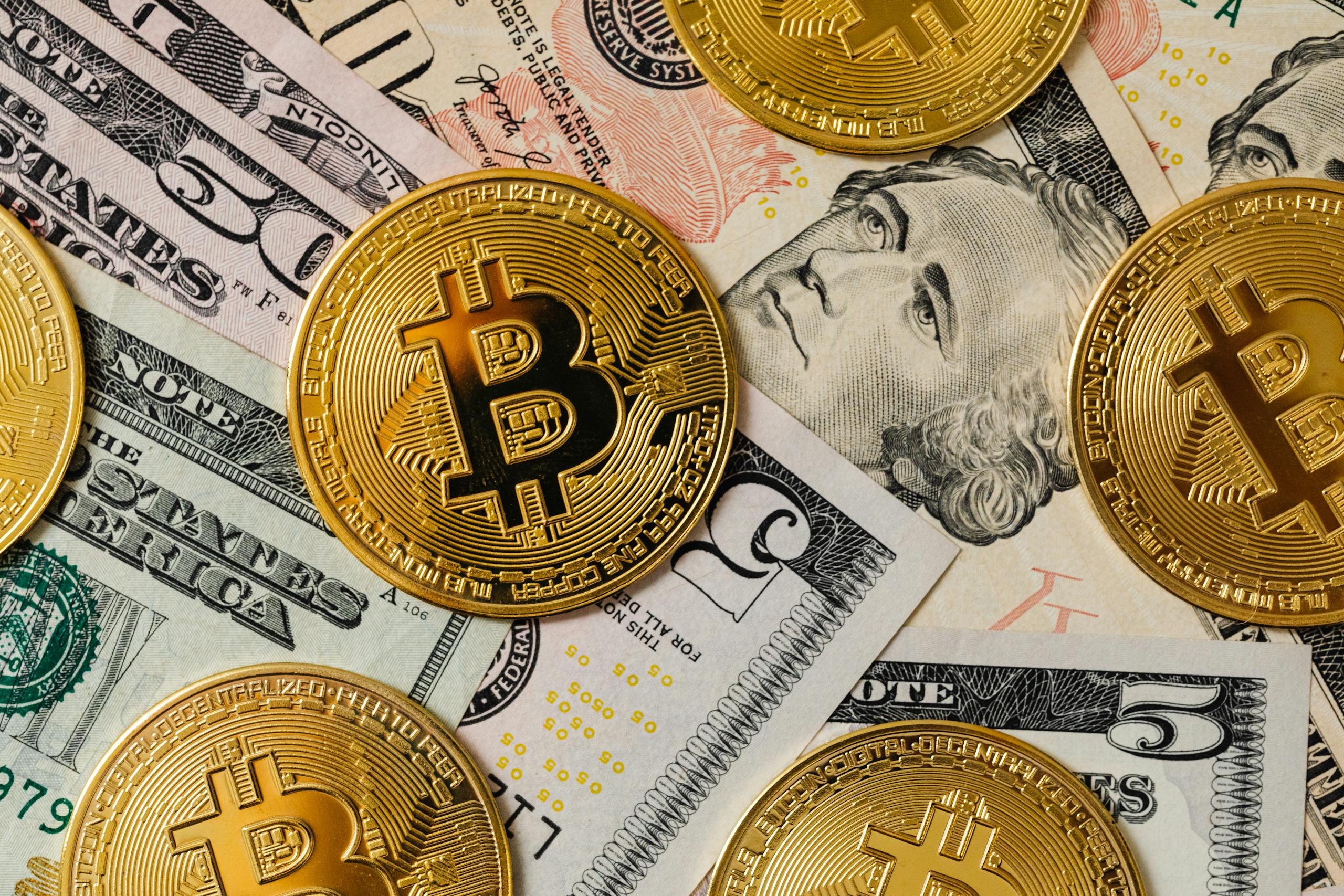
In a world where so much of our money is digital, whether it’s checking your bank balance and transferring cash via an app, or using bitcoins to do our online shopping, it might seem a bit outdated to invest a single cent of your money in tangible assets, but you know what? It might actually be good for you to have something more tangible in your portfolio. But are they really worth adding to your investment mix, or is it just nostalgia talking?
What Are Tangible Assets, Anyway?
Tangible assets are investments you can physically touch and store. Think real estate, precious metals, collectibles, artwork, and even certain types of equipment. Unlike digital or paper assets, they exist in the real world, which gives many investors a sense of stability.
That physical presence can be especially appealing during periods of market uncertainty, when numbers on a screen start to feel a little too abstract.
Why Investors Are Drawn to Physical Assets
One of the biggest reasons people invest in tangible assets is diversification of their money. Physical assets often behave differently from stocks and bonds, which can help balance out a portfolio.
There’s also the psychological comfort factor. Owning something real can feel more secure than owning a line item in an account. For some investors, that peace of mind alone is worth considering.
Precious Metals are a Classic Example
Gold and silver are among the most popular tangible assets, and for good reason. They’ve been used as stores of value for centuries and are widely recognized across the globe.
Many investors like precious metals because they’re relatively easy to buy, sell, and store. Coins are especially popular, combining metal value with collectibility. For example, the 2026 Silver Eagle Coin appeals to investors who want exposure to silver while also owning a piece with recognizable design and trusted minting standards.
The Downsides to Consider
Tangible assets aren’t without their drawbacks. Storage can be an issue, especially for valuable items. You may need secure storage or insurance, which adds to the overall cost.
Liquidity can also be a challenge. Selling physical assets usually takes longer than clicking a “sell” button on a trading app. Prices can vary depending on demand, condition, and timing, making it harder to predict returns.
Do Tangible Assets Generate Income?
Most tangible assets don’t produce regular income on their own. Unlike dividend-paying stocks or interest-bearing accounts, their value often depends on appreciation over time.
Some exceptions exist, like rental properties or leased equipment, but many tangible investments are best viewed as long-term holds rather than income generators.
So, Should You Invest in Them?
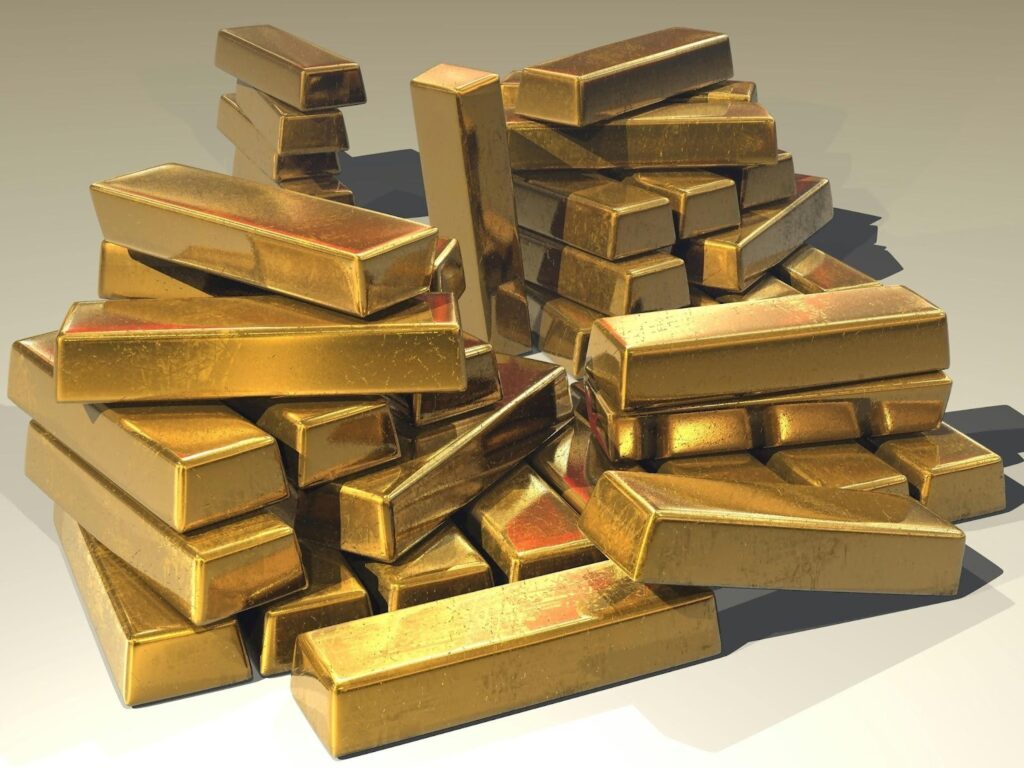
Whether tangible assets make sense for you depends on your goals, risk tolerance, and overall strategy. They’re rarely a complete replacement for traditional investments, but they can play a valuable supporting role.
If you like the idea of diversification, value physical ownership, and are comfortable with longer time horizons, tangible assets could be a smart addition. As with any investment, balance is key. A mix of tangible and intangible assets can help create a portfolio that feels both resilient and grounded.
Some content on this site is contributed by partners or external sources. All submissions are reviewed for quality.
0 responses to “Should You Invest in Tangible Assets?”